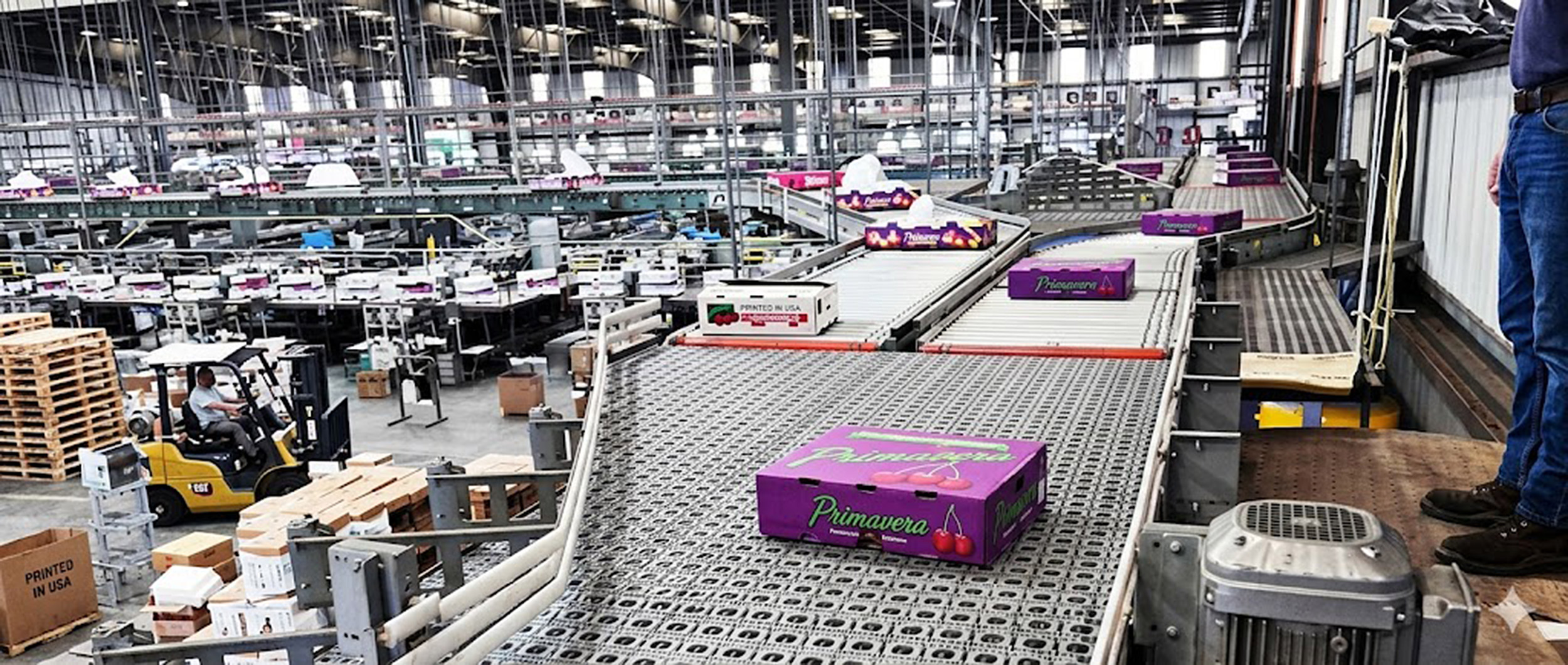
Conveyor systems are the circulatory network of modern distribution and manufacturing operations. The difference between a system that performs at design throughput and one that creates bottlenecks often comes down to engineering choices made before the first section of conveyor is installed — accumulation zone sizing, divert logic, incline angles, load zone spacing, and integration with sortation control.
FloStor designs, supplies, and integrates complete conveyor systems — from simple roller sections to complex multi-zone sortation networks. We work directly with conveyor manufacturers and apply our own engineering to develop systems that fit your facility, product mix, and throughput requirements.
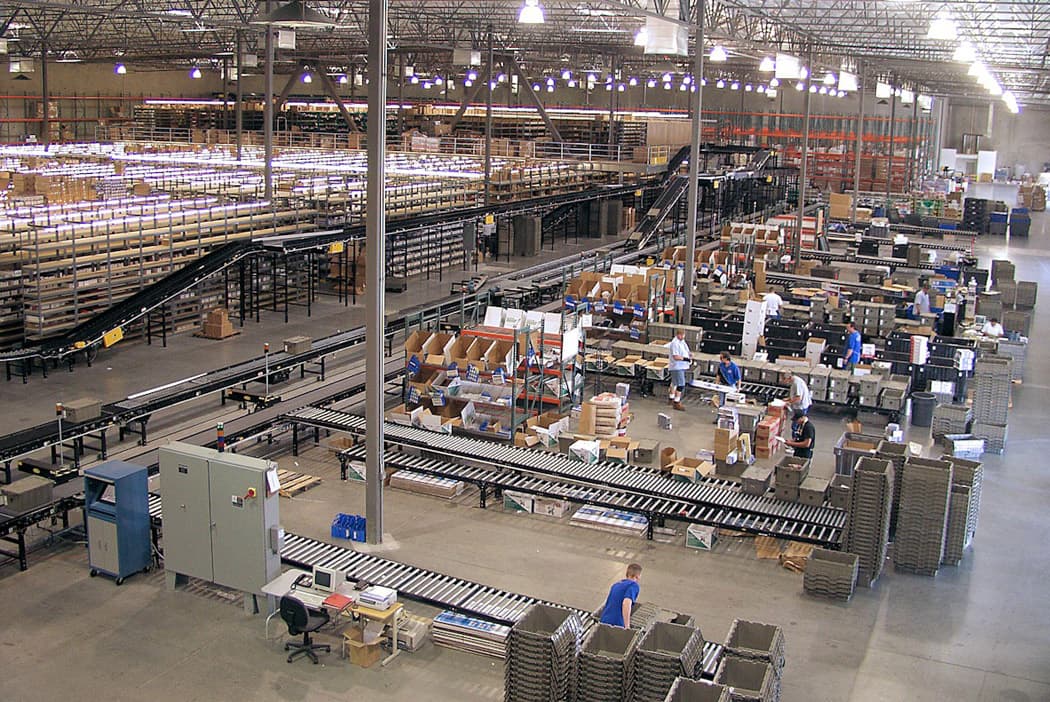
Conveyor lines sized for average throughput fail during peak periods — product queues at merge points, accumulation zones overflow, and what looked like adequate capacity on paper becomes the limiting constraint on the floor.
Conveyor systems designed for a previous product mix often fail when the business changes. Rollers sized for case weight can't handle polybags; belt systems designed for dry goods fail with temperature-sensitive product; maintenance intervals designed around one throughput level erode when volume doubles.
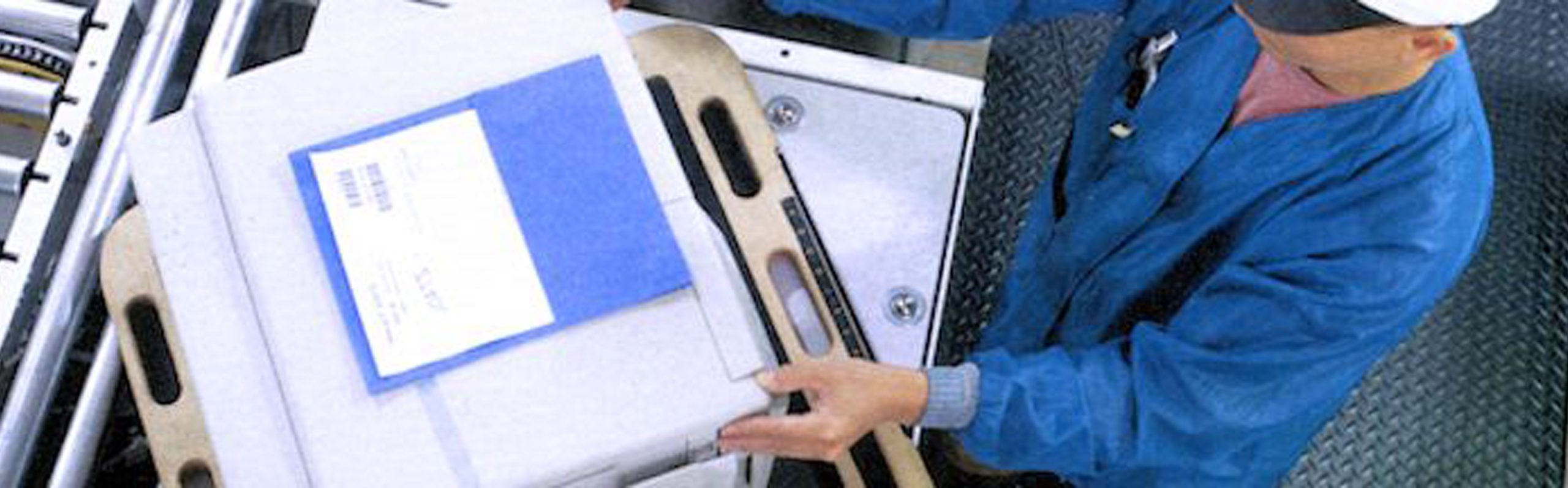
Sortation systems without clean WMS or barcode scan integration produce mis-routes that require manual correction — adding labor, slowing throughput, and introducing error into the fulfillment process.
Tilt-tray sorters, cross-belt systems, and divert mechanisms operating beyond their designed capacity or with insufficient gap creation produce sortation errors that translate directly to mis-ships, returns, and customer service costs.
Conveyor system design begins with your product profile — dimensions, weights, packaging types, and throughput volumes across your peak and average scenarios. From that baseline, our engineers calculate required belt or roller speeds, accumulation zone lengths, divert rates, and sortation capacity to handle your actual operational demands.
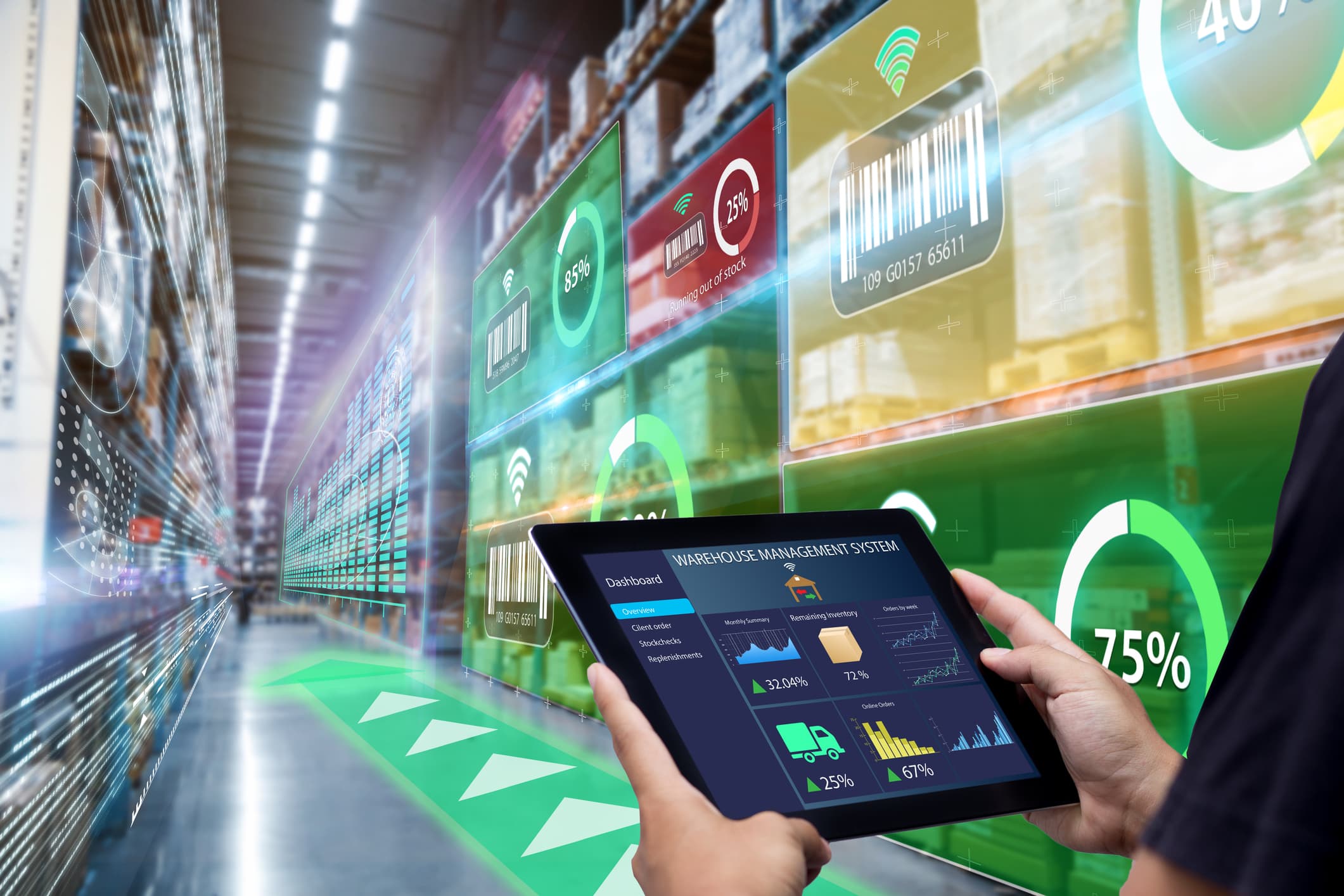
Sortation logic — how products are scanned, identified, and directed to their correct destination — requires integration between the physical sortation equipment, scan tunnels or cameras, and your WMS or order management system. We design the control architecture that makes this integration reliable and maintainable, not just functional on day one.
We also design for maintainability: accessible components, standardized roller and belt sizes, logical control panels, and clear equipment labeling. A conveyor system that runs without interruption is valuable; a system that your maintenance team can diagnose and repair in minutes rather than hours is a strategic asset.
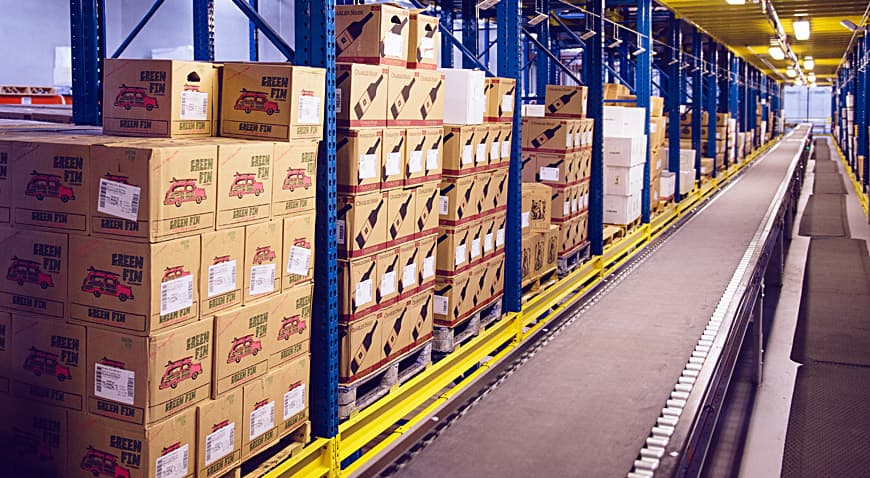
Gravity and powered roller conveyors for carton, tote, and unit handling — the workhorse of distribution and fulfillment operations.
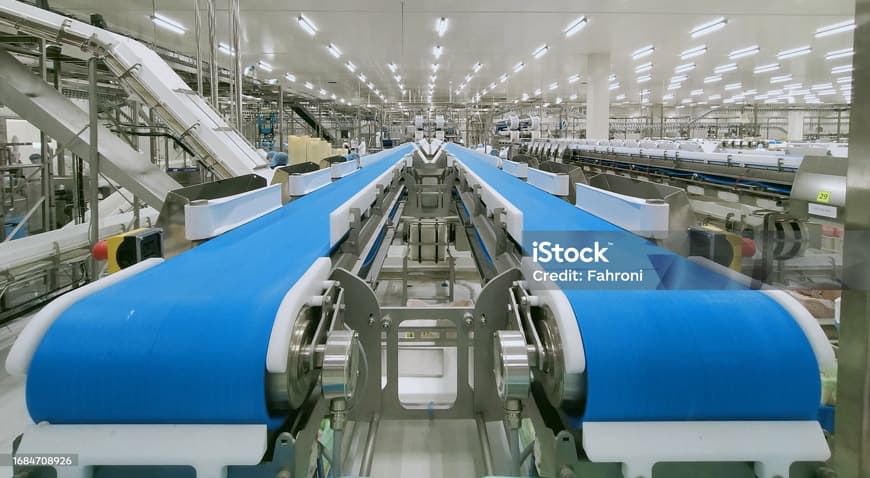
Flat and incline belt conveyors for irregular products, polybags, and items that require full support across the conveying surface.
High-speed sortation technology that directs products to correct destinations at throughputs that manual operations cannot match.
Heavy-duty conveyor systems designed for full pallet loads, including powered pallet conveyors, transfer vehicles, and chain-driven live roller systems.
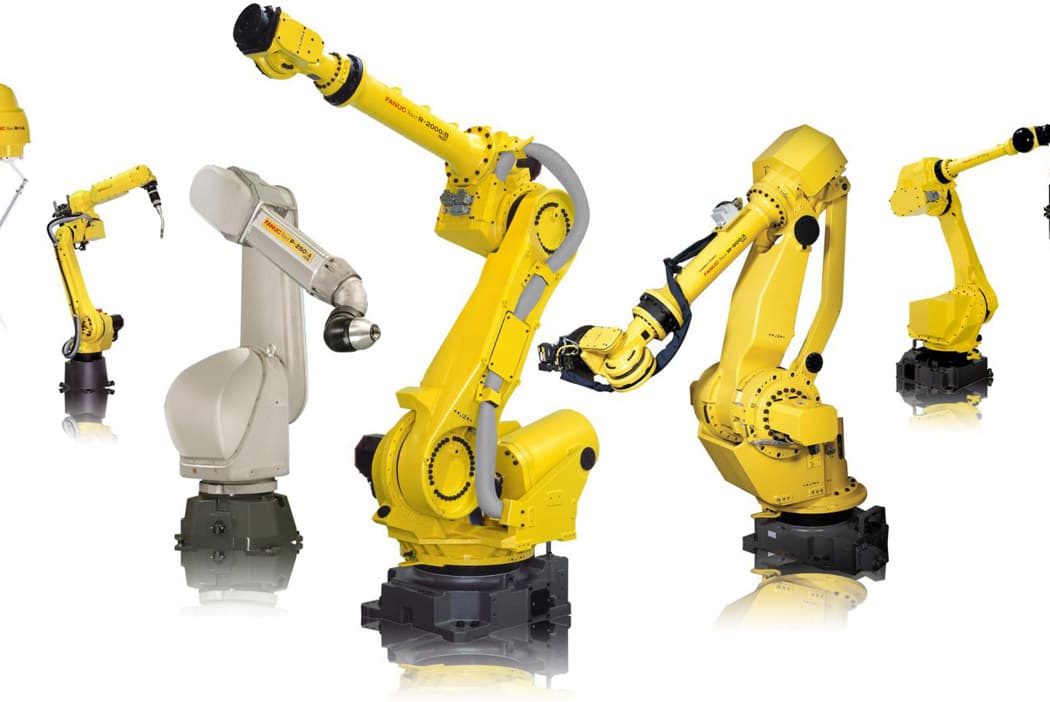
Custom conveyor solutions for unique applications — spiral conveyors for vertical transport, overhead conveyors for garments, and purpose-built configurations for unusual products or environments.
PLC-based control systems, scan tunnels, and WMS/WCS integration that turn conveyor equipment into an intelligent, connected material handling network.
We analyze your product profile, order volumes, peak throughput requirements, and current bottlenecks to define the performance requirements for your conveyor system.
Our engineers develop conveyor layout drawings, zone definitions, sortation logic, and equipment specifications tailored to your facility dimensions and column grid.
We model throughput, accumulation zones, and sortation capacity using simulation software to confirm performance before equipment is ordered or installed.
Control architecture, PLC programming, scan integration, and WMS connectivity are engineered and tested in parallel with equipment procurement.
Our installation teams work to your schedule, including phased implementation to protect operational continuity during the transition.
Post go-live performance monitoring, control system tuning, and maintenance support ensure your conveyor system delivers its designed throughput.
Throughput increase versus manual transport after conveyor implementation
Reduction in labor hours required for material transport and sortation
Sort accuracy rate with integrated scan and WMS connectivity
Reduction in mis-ships and sortation errors versus manual operations
* Based on FloStor client implementations across distribution, e-commerce, and manufacturing environments
Our conveyor specialists will analyze your throughput requirements and design a system that keeps your operation moving at full capacity.
Request a Conveyor AssessmentContact our conveyor specialists to discuss how a properly engineered system can transform your material handling operation.
 FloStor