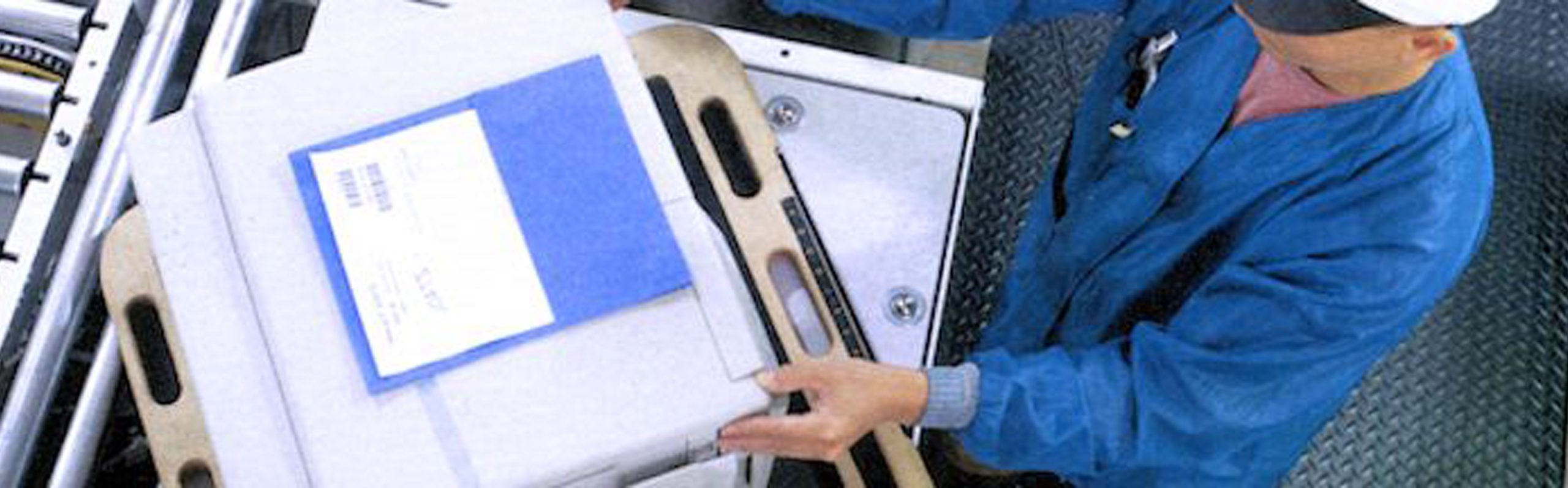
The workstation is where the human meets the operation. Poor ergonomics create injuries and fatigue; poor organization creates wasted motion; poor lighting creates quality escapes; poor configurability creates long changeovers. Factory workstations and assembly cells that are designed for the task — not adapted from generic furniture — are measurably more productive, safer, and easier to staff.
FloStor designs, configures, and installs complete workstation environments — from individual assembly stations to fully integrated work cells with conveyor connections, tool management, lighting, and ergonomic height adjustment. We work from your process requirements, not a catalog selection, to develop workstation configurations that match your tasks, your workers, and your production environment.
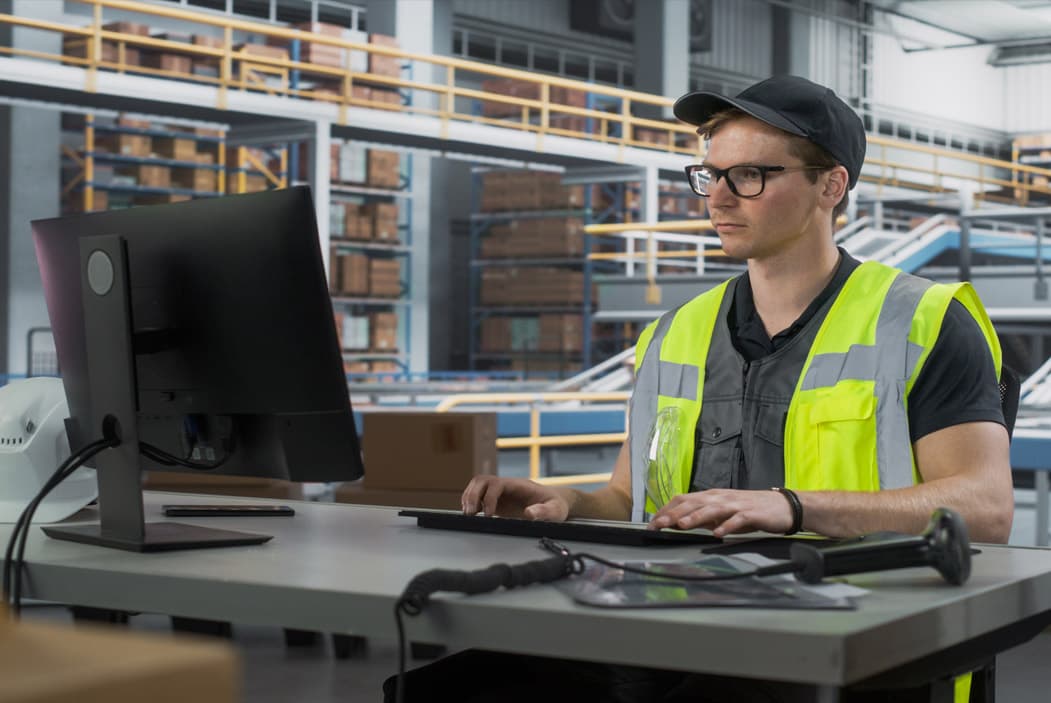
Fixed-height workstations that don't accommodate operator height variation force workers into postures that cause fatigue within hours and musculoskeletal injuries over months — driving up workers' comp costs, absenteeism, and turnover in roles that are already difficult to staff.
Workstations where components are stored in bins that require repetitive reach, rotation, or walking add seconds to every cycle. At 300+ units per shift, those seconds accumulate into hours of lost capacity per operator per week.
Work cells designed for a single product configuration require extensive retooling when products change — tools moved, fixtures reconfigured, bins relocated. Operations with multiple product variants across a shift pay a high changeover tax that ergonomically designed, modular workstations can eliminate.
Inspection stations with inadequate lighting, test equipment that requires awkward positioning, and tool storage that makes picking the wrong tool easy contribute to quality escapes that cost far more to resolve downstream than they cost to prevent at the station.
Industrial ergonomics is the discipline of matching the workplace to the worker — eliminating awkward postures, reducing reach distances, minimizing repetitive stress, and positioning materials and tools at the point of use. The productivity gains from proper ergonomic workstation design typically range from 15–30% in assembly operations, while injury rates often fall by 40–70%.
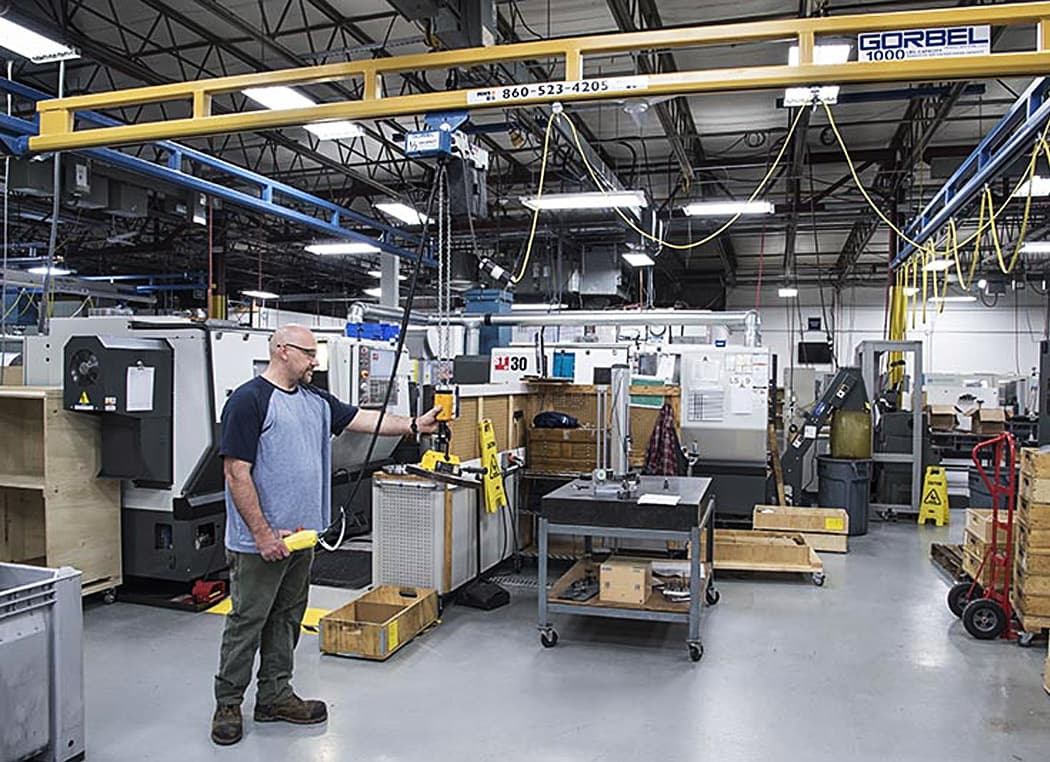
Modular workstation systems allow cells to be configured around specific tasks and reconfigured as products change. Height adjustment — whether manual or powered — allows a single station to accommodate operators across the full range of worker heights without compromise. Structured tool and component organization (shadow boards, parts bins, flow racks) puts every item at the point of use in a consistent location, eliminating search time and reducing error rates.
For technical and inspection stations, dedicated task lighting, magnification, and test equipment integration are as important as the physical workstation. FloStor designs workstation environments for the complete work task, not just the bench surface.
Height-adjustable assembly stations with integrated component storage, tool management, and task lighting — configured for your specific assembly process and operator ergonomics.
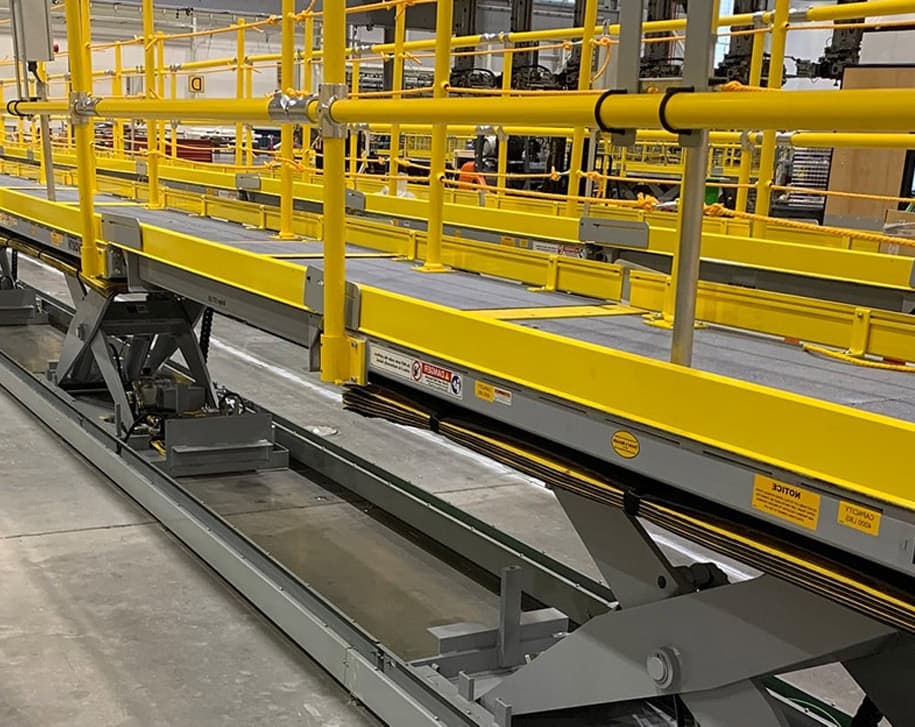
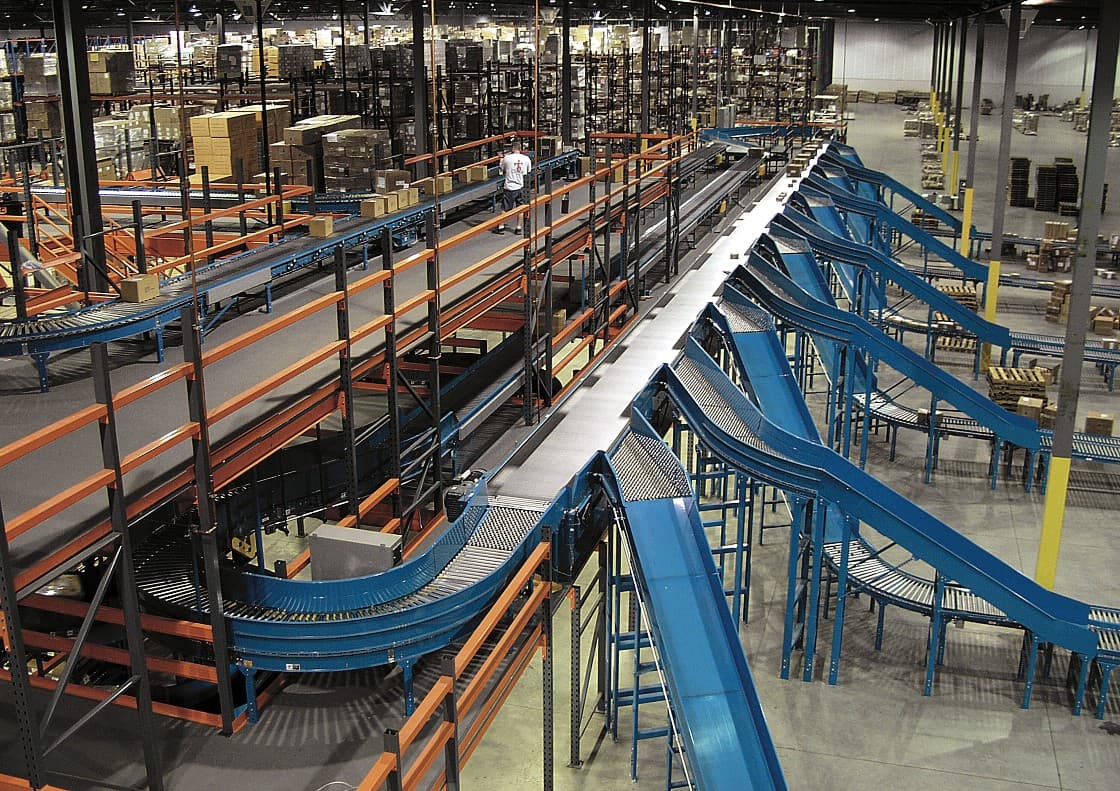
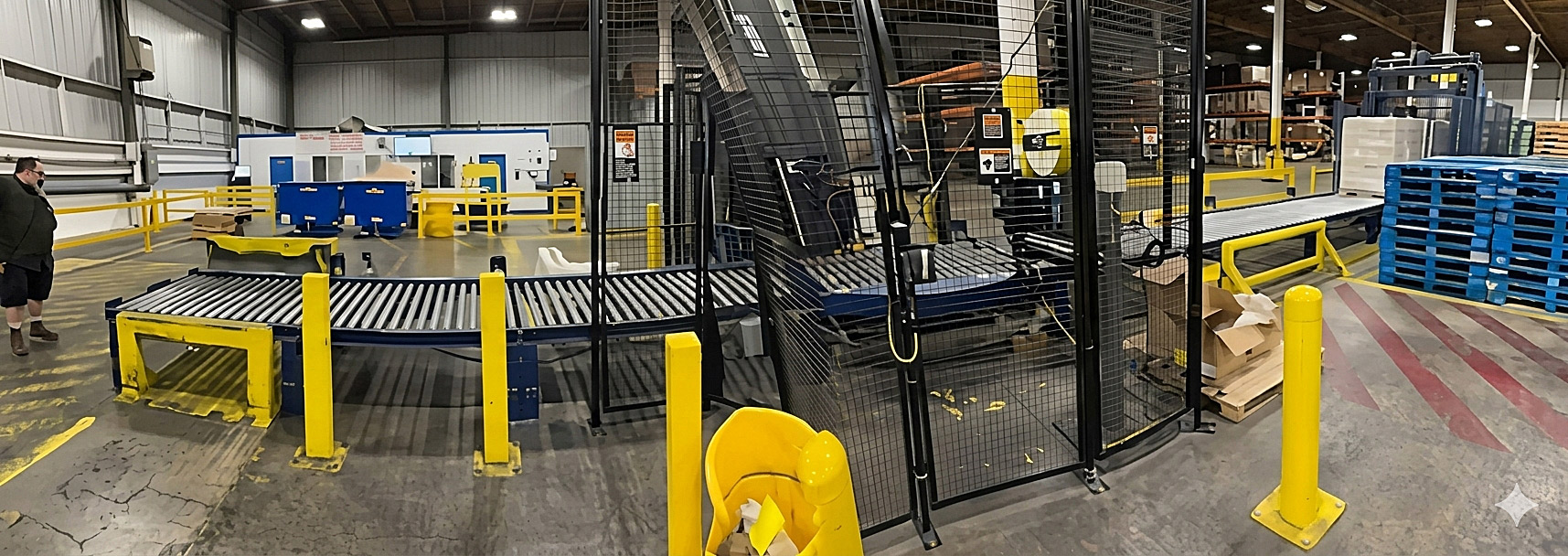
Complete work cell environments that combine workstations with conveyor input/output, component flow racks, tool management systems, and quality control stations.
End-of-line packing workstations with integrated tape dispensing, void fill, label printing, and scan-verify systems — designed for throughput and ergonomic operator comfort.
Precision workstations for electronics testing, quality inspection, calibration, and technical assembly — with appropriate ESD protection, lighting, and equipment mounting.
Industrial shelving, drawer units, bin rails, tool holders, monitor arms, document holders, and accessories that complete the workstation environment and keep every item at point of use.
Mobile workstations, carts, and equipment stands for flexible manufacturing environments where work cells need to be repositioned or production areas change frequently.
We observe your current work processes, measure reach distances, identify awkward postures, and assess component and tool organization to define workstation requirements.
Our engineers develop workstation configurations that eliminate the ergonomic issues identified — with height adjustment, optimal reach zones, and point-of-use storage for every component and tool.
For complex or high-volume applications, we build prototype stations and validate with your operators before full production deployment to ensure operator acceptance and task compatibility.
We source from proven industrial workstation manufacturers and integrate accessories, tooling, and peripherals into a complete, configured solution ready for installation.
Our teams install and configure every station — including cable management, tool organization, and component flow setup — so your operators start productive from day one.
We train your team on proper workstation adjustment and usage, then follow up to measure cycle time improvements, injury rate changes, and other key performance metrics.
Improvement in assembly cycle time after ergonomic workstation redesign
Reduction in musculoskeletal injury rates with proper ergonomic workstations
Reduction in changeover time with modular, configurable workstation systems
Improvement in quality escape rate with organized, well-lit inspection stations
* Based on FloStor client implementations across manufacturing, assembly, and distribution environments
Our workstation specialists will assess your current operation and design stations that improve productivity, reduce injury, and support your quality standards.
Request a Workspace AssessmentContact our workstation specialists to design work environments that improve productivity, safety, and employee retention.
 FloStor