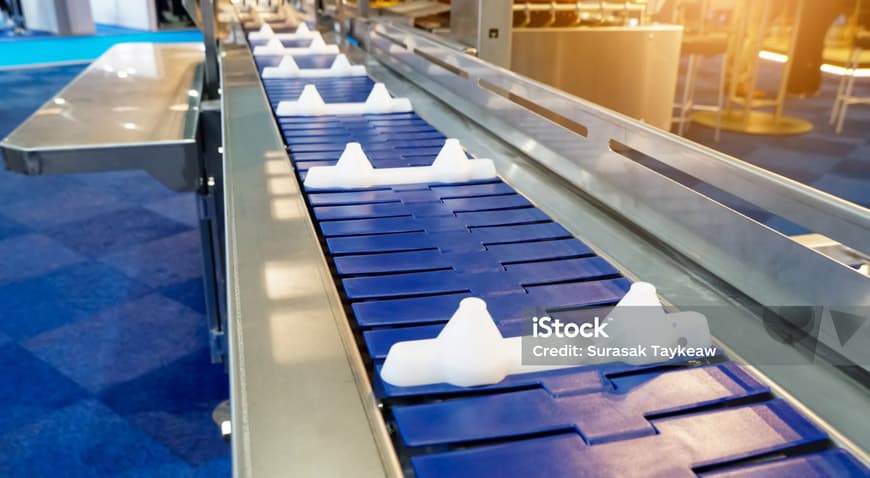
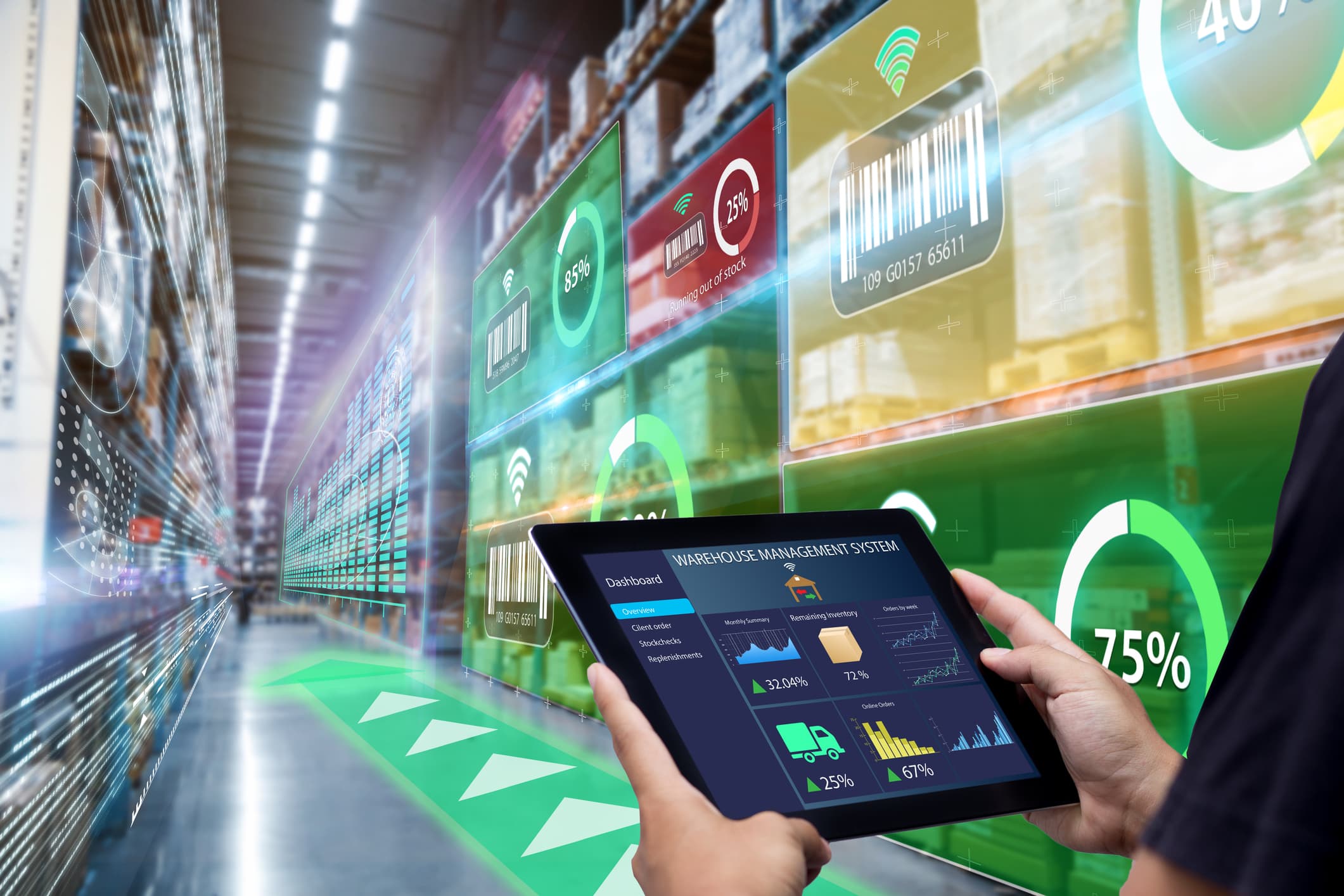
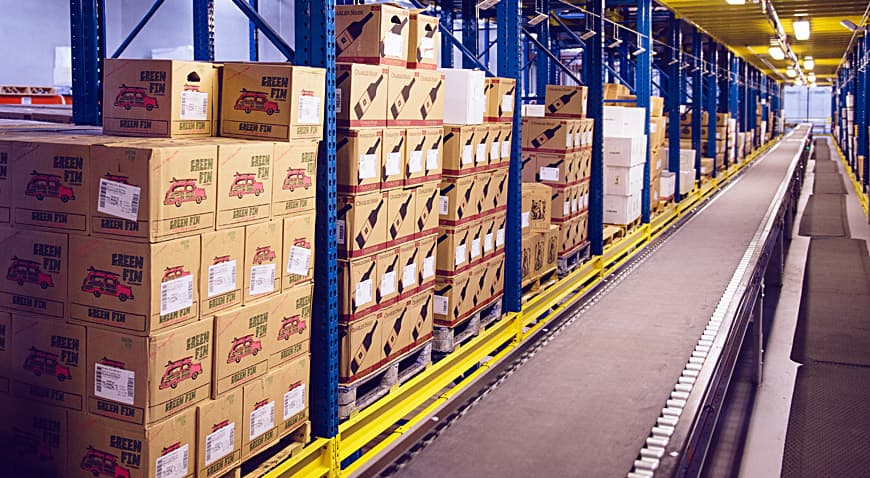
In modern material handling, motion is everything. The speed, precision, and reliability of how products move through your facility directly impacts your bottom line. Intelligent motion technologies transform chaotic material flows into orchestrated, efficient systems that reduce labor costs while dramatically increasing throughput.
FloStor's motion solutions combine proven technologies with innovative engineering to create material handling ecosystems tailored to your specific operational challenges. From automated guided vehicles to high-speed sortation, we design systems that keep your products — and your business — moving forward.
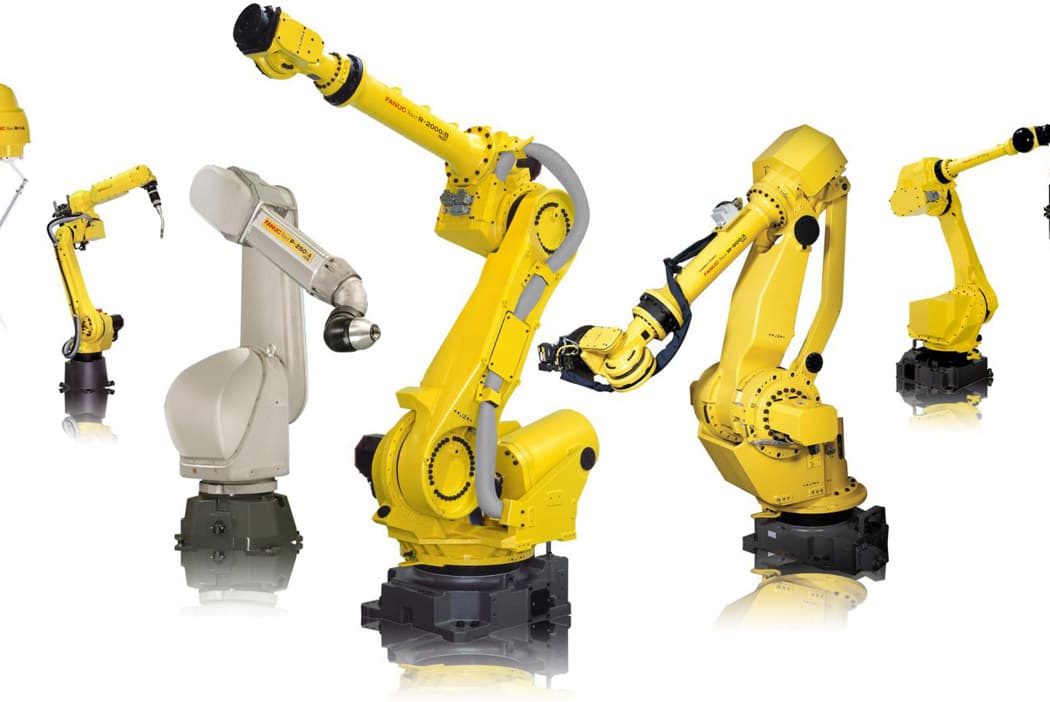
Intelligent motion is not just isolated machinery—it is an optimized environment where three distinct layers run in unison.
The centralized routing intelligence. It dynamically monitors inventory prioritization, tracks barcodes, and balances workloads across lines to eliminate real-time floor congestion.
Smart photo-eyes and zone control modules embedded directly along physical lines. They allow peer-to-peer communication so hardware can stop, start, or alter speed instantly without host delays.
The physical assets (Robotics, Sortation, Conveyors). When software-driven, these systems run strictly on-demand, reducing energy overhead, mitigating inventory damage, and optimizing lifecycle wear.
Explore our range of technologies designed to optimize material movement across your facility.
Transition workflows from low-velocity manual travel to high-velocity packing stations, stabilizing cost-per-unit and scaling capacity 24/7 without a linear headcount increase.
Learn MoreAutomated routing frameworks engineered for growing volumes. Implements zero-pressure accumulation to buffer against peak-season bottlenecks and secure order accuracy.
Learn MoreFootprint optimization strategies that leverage vertical space to eliminate the need for physical facility expansion while mitigating systemic ergonomic risks.
Learn MoreMitigate workplace injuries and ergonomic hazards to protect operational continuity and maintain a predictable throughput velocity at heavy touchpoints.
Learn MoreEliminate end-of-line bottlenecks before finished inventory reaches the dispatch bay via automated cartoning, wrapping, and manifesting architectures.
Learn MoreAlgorithmic balancing solutions designed to accelerate order cycle times and maintain strict quality assurance under escalating consumer demands.
Learn MoreProtect high-value, sensitive inventory with precise environmental, ESD-safe transport, and synchronous material tracking to reduce factory scrap rates.
Learn MoreScale capacity to process high-velocity, irregular order profiles without execution errors using high-speed loop and linear sortation architectures.
Learn MoreMove more products faster with optimized material flow and reduced bottlenecks.
Reduce dependency on manual material handling and redeploy staff to higher-value tasks.
Reduce workplace injuries with automated handling and ergonomic equipment.
Modular solutions that grow with your business and adapt to changing demands.
Throughput increase driven by unified software orchestration that balances workloads dynamically to prevent systemic bottlenecks.
Reduction in labor cost per unit handled by automating redundant travel and sorting, maximizing existing shift utilization.
Order accuracy achieved via inline automated verification and tracking, catching errors before assets reach shipping bays.
Reduction in product handling-related injuries, significantly lowering workers' comp exposure and protecting operational uptime.
Material handling automation is a multi-decade capital asset. Ensure your integration partner addresses architectural risk before cutting steel.
Avoid vendor lock-in. A modern system should leverage open architectures and standard control layers that seamlessly interface with your existing ERP or WMS without requiring months of custom coding cycles.
Insist on data emulation. True integrators utilize programmatic physics engines to model a "digital twin" of your facility footprint, proving throughput tolerances and proving ROI benchmarks before procurement.
Total cost of ownership is determined after deployment. Evaluate your integration partner based on remote diagnostic transparency, automated component alerts, and secure parts availability frameworks.
Let our engineering team evaluate your active facility data and deliver an Operational Framework Blueprint detailing potential throughput capacity expansions.
Request a Facility Evaluation FloStor