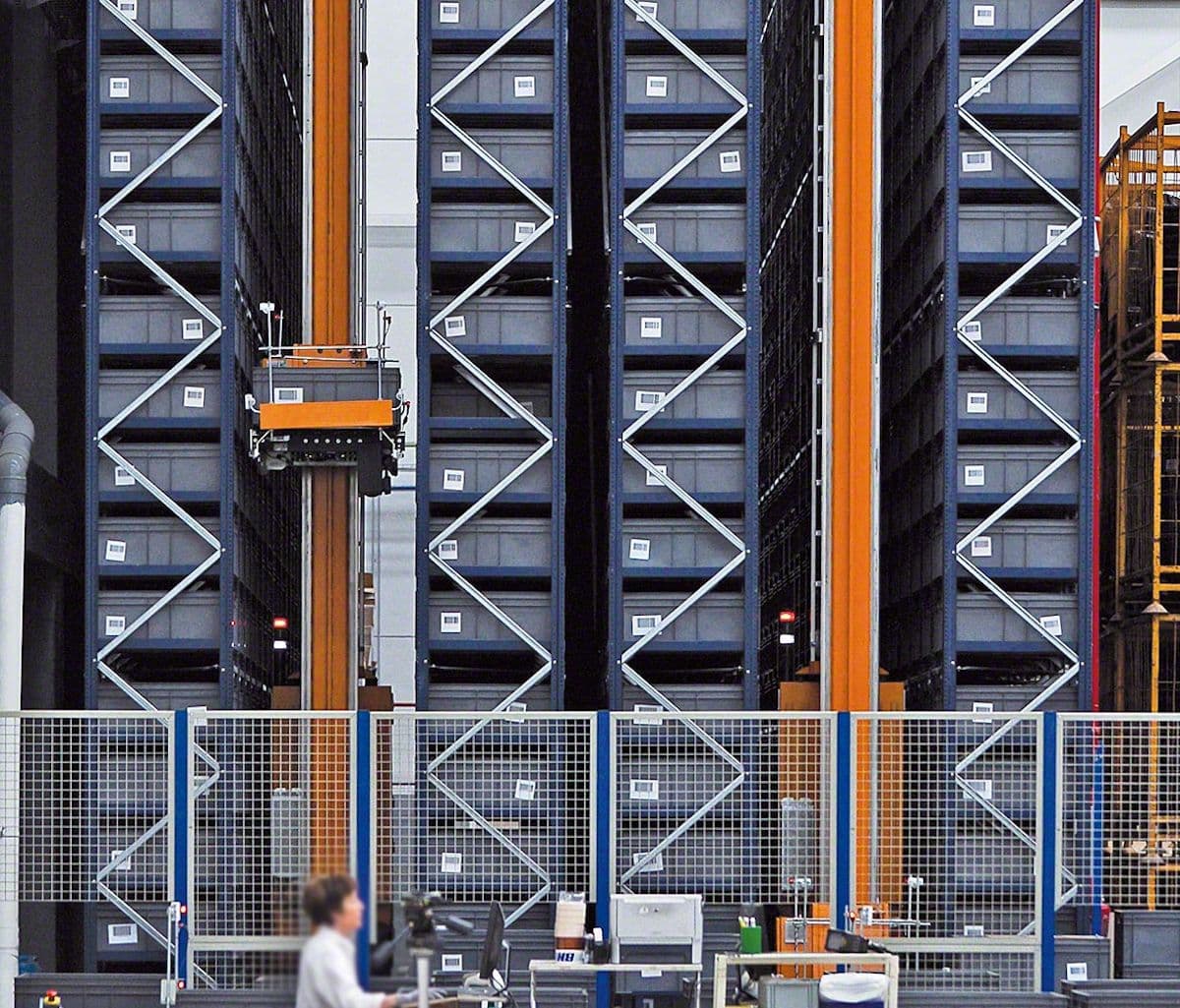
When every cubic foot counts, high-density storage systems deliver maximum capacity by minimizing aisle space and storing pallets multiple positions deep. FloStor engineers drive-in, push-back, flow rack, and deep-lane systems for operations with bulk inventory, limited SKU counts, and high-volume throughput—where storage density takes priority over individual pallet accessibility.
These systems can increase usable storage capacity by 50–75% compared to selective rack in the same footprint, making them essential for cold storage, food and beverage distribution, and any facility where floor space is expensive or scarce.
Selective rack wastes 40–50% of your floor on access aisles, but you need to store more product in the same footprint
You have bulk inventory with few SKUs but limited facility space and no room to expand
Cold storage or refrigerated space is expensive, and every unused cubic foot adds directly to operating costs
FIFO rotation is required for perishables but you can't sacrifice density to achieve it with standard selective rack
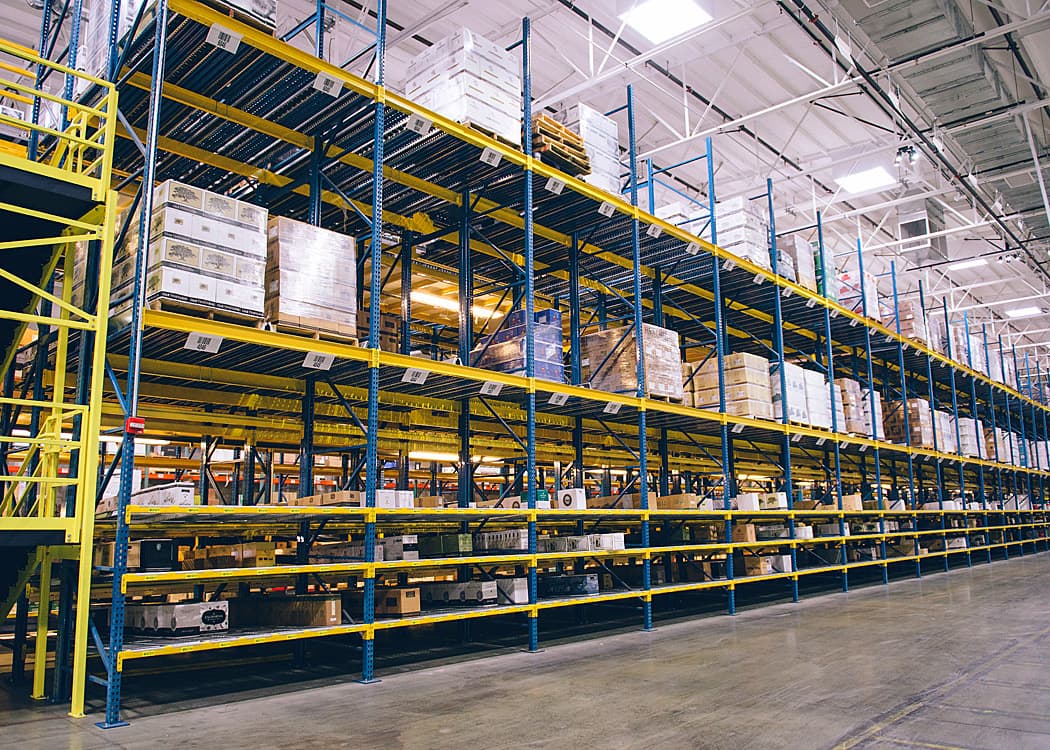
High-density storage systems eliminate or reduce access aisles by storing pallets multiple positions deep within a single lane. Drive-in rack lets forklifts enter the structure directly, storing up to 10 pallets deep in LIFO sequence. Push-back rack uses nested carts on inclined rails that automatically gravity-feed pallets to the face when one is retrieved, storing 2–6 pallets deep from a single aisle.
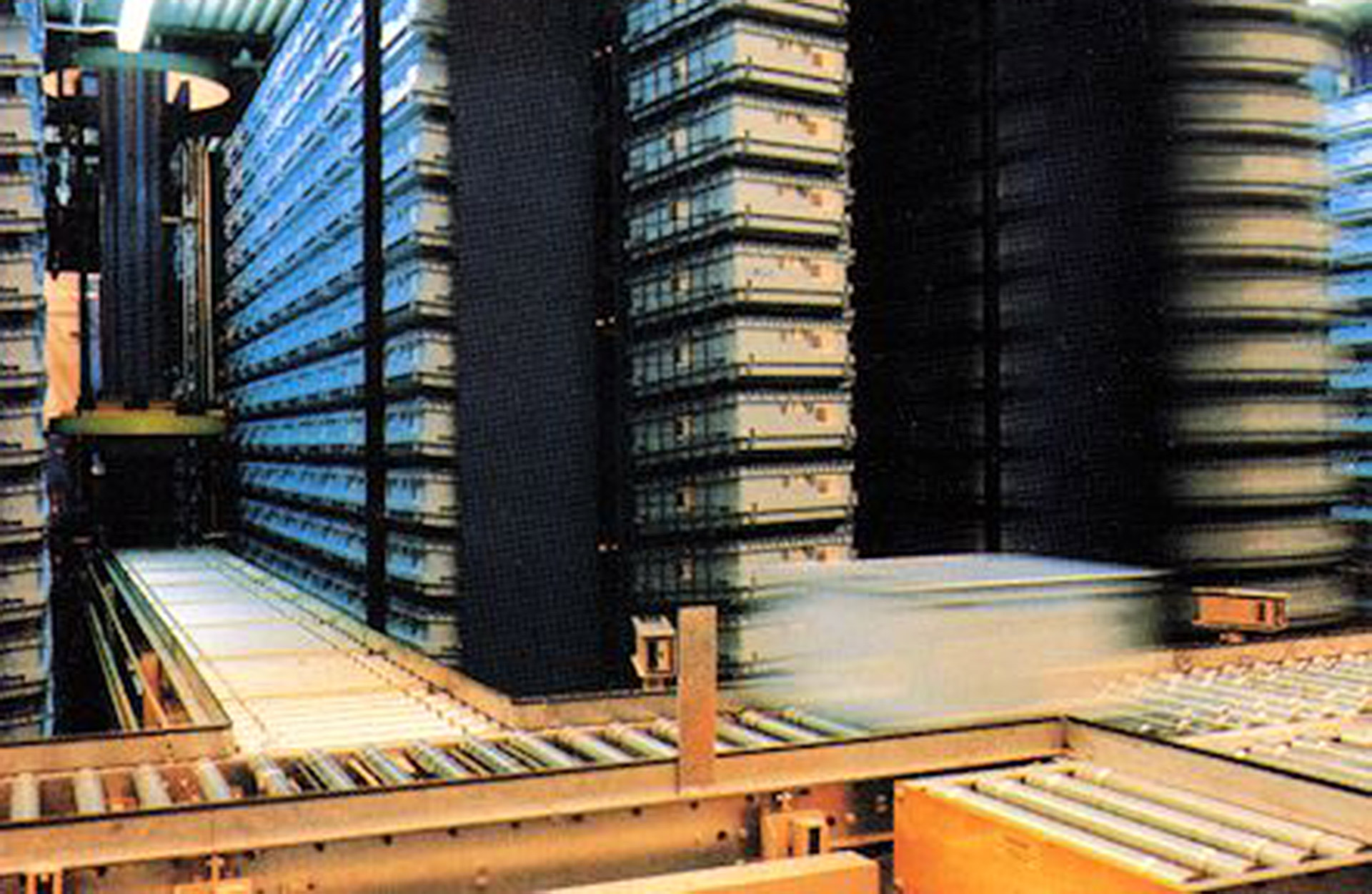
Pallet flow rack uses gravity-fed roller tracks to move pallets from the load aisle to the pick face, enforcing strict FIFO rotation while maximizing depth. These systems can increase storage capacity by 50–75% versus selective rack in the same floor footprint—a critical advantage in refrigerated or high-rent facilities.
FloStor engineers your high-density system around SKU velocity, rotation requirements, and lift truck specifications—balancing maximum storage density with the operational patterns your facility actually demands.
The most versatile racking system, providing 100% direct access to every pallet position. Ideal for diverse SKU profiles and high pick frequencies.
Stores pallets two positions deep per aisle, increasing density by 30–40% versus selective rack while maintaining good selectivity for operations with multiple pallets per SKU.
Eliminates access aisles entirely, allowing forklifts to drive directly into the rack structure for maximum density with bulk homogeneous product.
Nested carts on inclined rails automatically gravity-feed pallets forward when one is retrieved, combining density with single-aisle access.
Gravity-fed inclined roller tracks move pallets from the load aisle to the pick face automatically, enforcing strict FIFO for perishable or date-sensitive inventory.
Horizontal arms extend from vertical columns to store long, bulky items like lumber, pipe, and sheet goods that won't fit in standard pallet bays.
Dynamic shelving using inclined roller tracks to auto-advance case-pick inventory, maintaining FIFO rotation with a dense pick face for high-velocity operations.
Versatile storage for hand-loaded items and small parts, available in rivet, boltless, or welded steel with adjustable shelf levels for maximum flexibility.
Structural platforms that create additional storage levels within your facility, effectively doubling or tripling usable floor space without building expansion.
High-density storage makes sense when you have:
A different approach may be better if:
Increase in storage capacity vs. selective rack
Reduction in required floor space
Lower refrigeration cost per pallet in cold storage
Improvement in cube utilization
* Based on typical client implementations in high-density storage environments
We analyze SKU profiles, pallet dimensions, turnover rates, and rotation requirements to identify the optimal system type.
Engineers develop customized layouts maximizing density while matching your material handling equipment and workflow.
Structural calculations, seismic analysis, and load capacity reviews ensure full code compliance before installation.
Expert crews install your storage systems efficiently with minimal disruption to ongoing warehouse operations.
We train your team on safe operating procedures and provide ongoing support for system longevity and performance.
Periodic rack safety inspections and maintenance keep your systems RMI/ANSI compliant over the long term.
Not sure which high-density configuration fits your inventory profile?
Talk to a FloStor Storage EngineerOur storage specialists will analyze your inventory profile and facility constraints to design a high-density system that maximizes cube utilization and operational efficiency.
 FloStor